
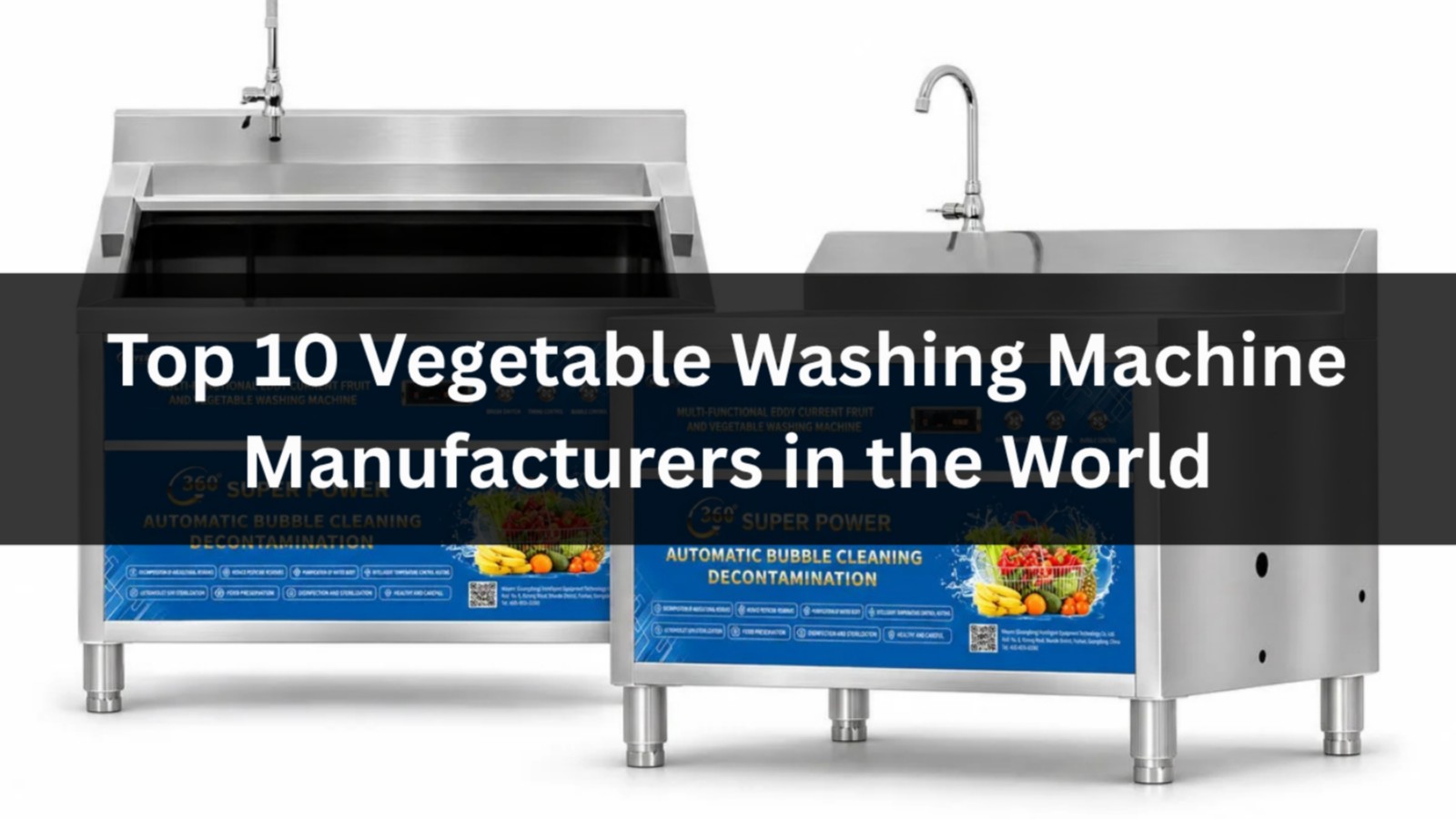
Are you looking for a vegetable washing machine manufacturer for a central kitchen or processing plant? Do you need to remove soil while controlling damage to leafy greens or root vegetables? Or are you comparing a compact batch washer with a continuous preparation line?
If the answer is yes, then comparing manufacturers worldwide can help you identify the right equipment class. Vegetable washers differ in washing action, handling and line integration. Below are ten options, including Mayers, with practical distinctions to support your sourcing decision.
This is a procurement shortlist, not a market-share ranking. Product ranges and supply scopes differ; compare the specific equipment and documentation proposed for your project.
Quick Navigation
- Taibo
- Mayers
- TONDE Machinery
- LONKIA
- Jegerings
- IKE
- DT Food Machine
- Furui Machinery
- Henan Huafood
- Kexinde Machinery
1. Taibo
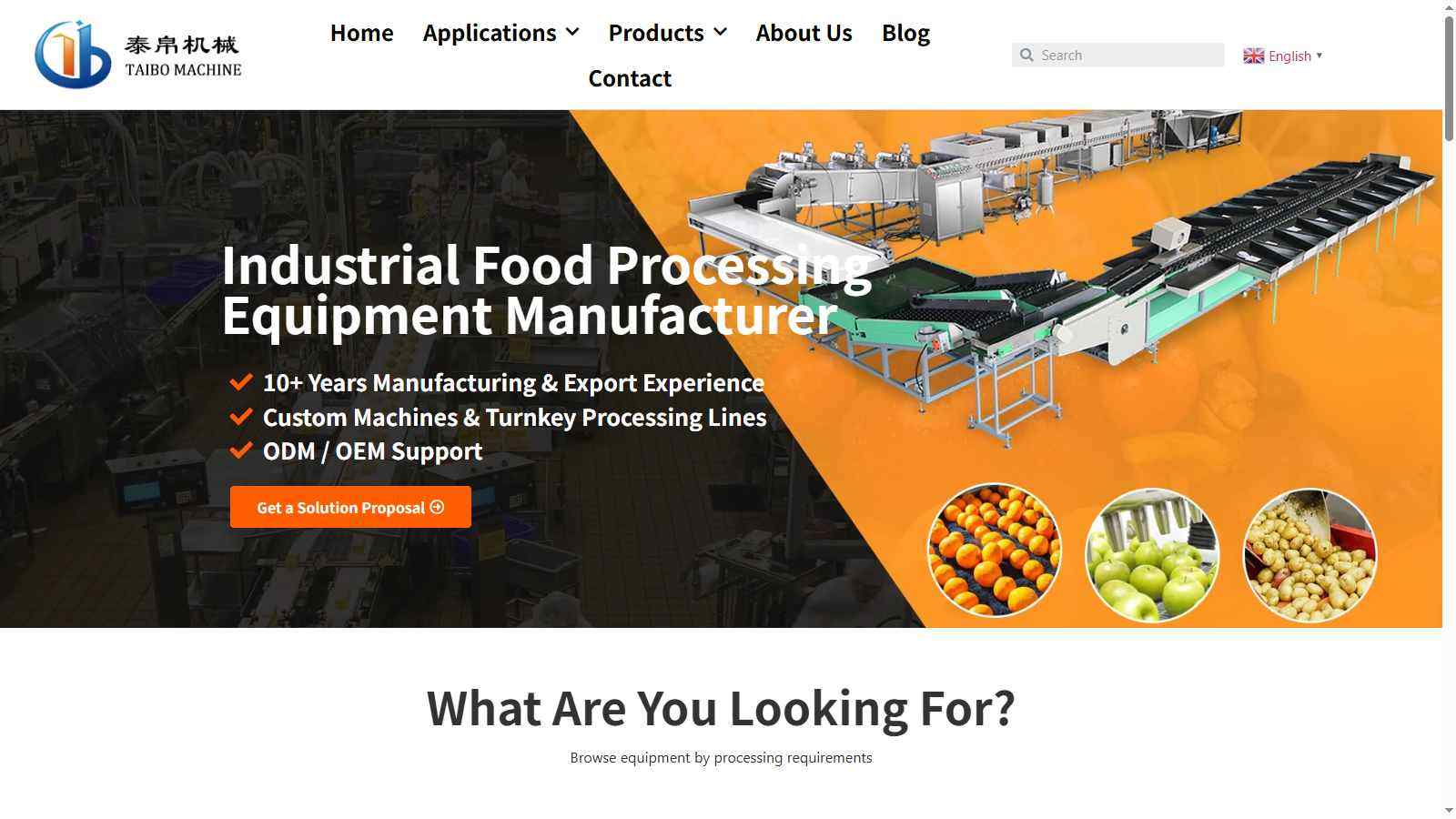
Headquarters / Supply Model: Food processing machinery manufacturer based in Shandong, China
Core Products / Technologies: Bucket vegetable washers, brush-roller washers, vortex washers, bubble washers and integrated processing lines.
Why Consider Taibo: Taibo offers several washing methods instead of a single universal machine. Buyers can compare batch handling with continuous washing and coordinate washing with cutting, peeling, drying or grading operations.
Best Suited For: Central kitchens and processors handling different vegetables or planning a complete preparation line.
Before Purchasing: Provide the actual crop, cut size and contamination. Compare cleaning results and product damage using the proposed washing method.
2. Mayers
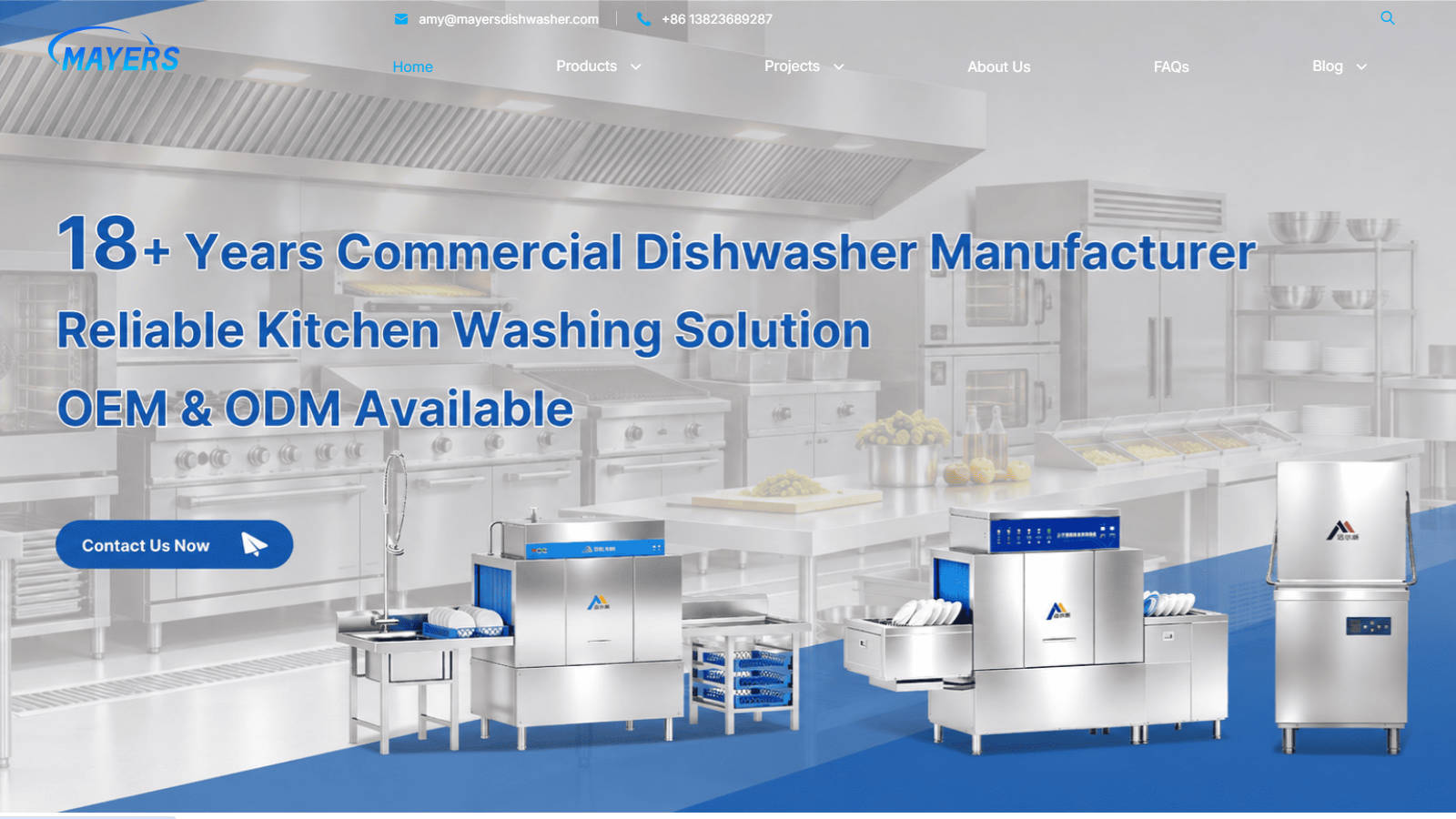
Headquarters / Supply Model: Commercial washing and stainless steel kitchen equipment manufacturer in Shenzhen, China
Core Products / Technologies: Fruit and vegetable washing equipment, commercial dishwashers and supporting stainless steel kitchen equipment.
Why Consider Mayers: Mayers is a relevant option when vegetable preparation is part of a wider commercial kitchen project. Its equipment portfolio allows buyers to discuss washing requirements alongside sinks, work tables and other kitchen workflow needs.
Best Suited For: Central kitchens, foodservice contractors and distributors sourcing coordinated kitchen equipment.
Before Purchasing: Provide crop type, whole or cut condition, target throughput and available space. Confirm the proposed washer configuration and test its suitability for the actual produce.
3. TONDE Machinery
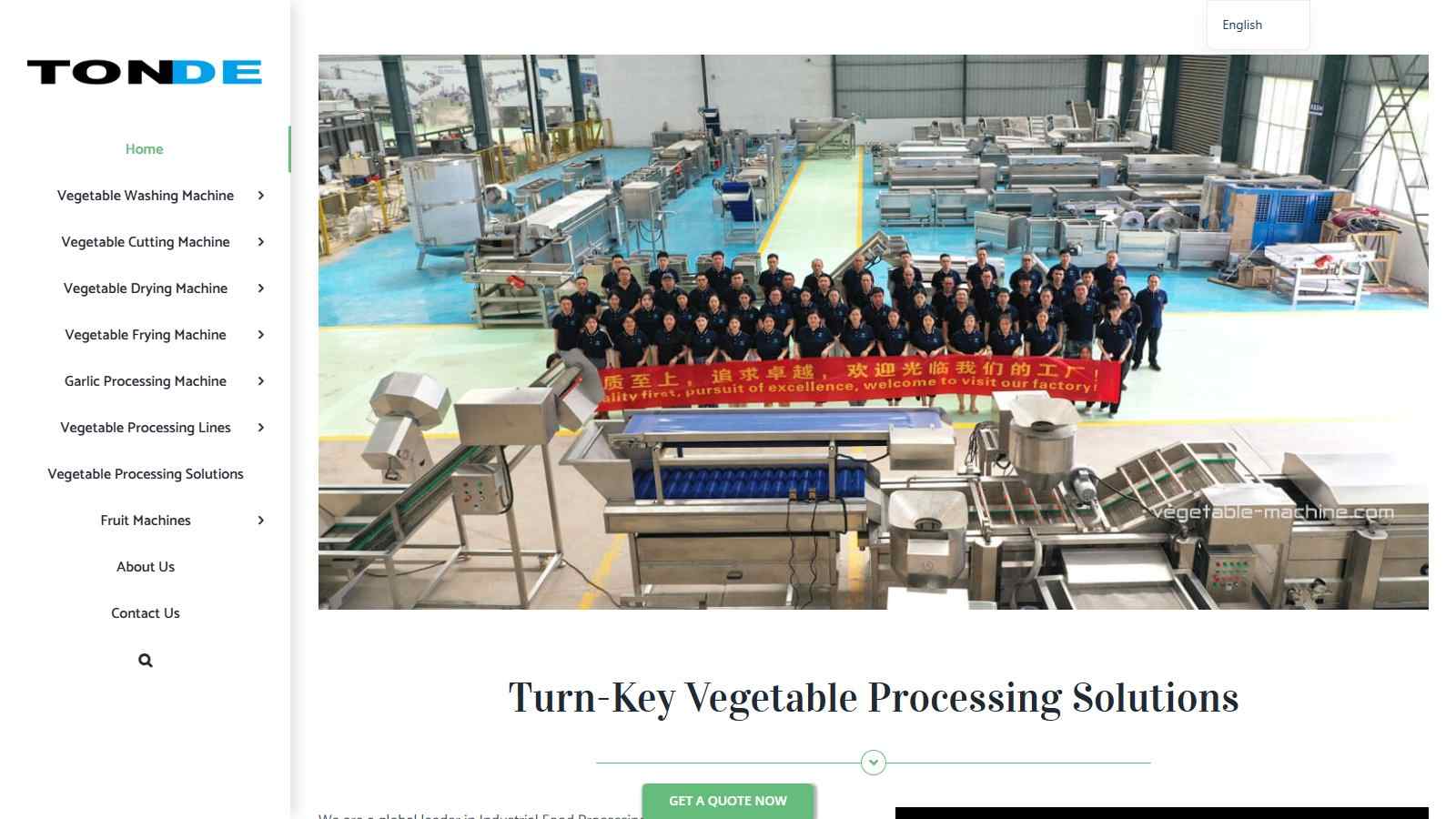
Headquarters / Supply Model: Manufacturer and integrator of industrial vegetable processing equipment
Core Products / Technologies: Vegetable and fruit washing lines, with cutting, drying, frying and freezing equipment for wider processing projects.
Why Consider TONDE Machinery: TONDE presents washing as part of a synchronized production line. It is most relevant when buyers need to plan interfaces and material flow across several operations rather than purchase only a small standalone washer.
Best Suited For: Industrial processors specifying a coordinated vegetable preparation or processing line.
Before Purchasing: Request a clear equipment list, layout, performance assumptions and responsibility matrix for each stage of the proposed line.
4. LONKIA
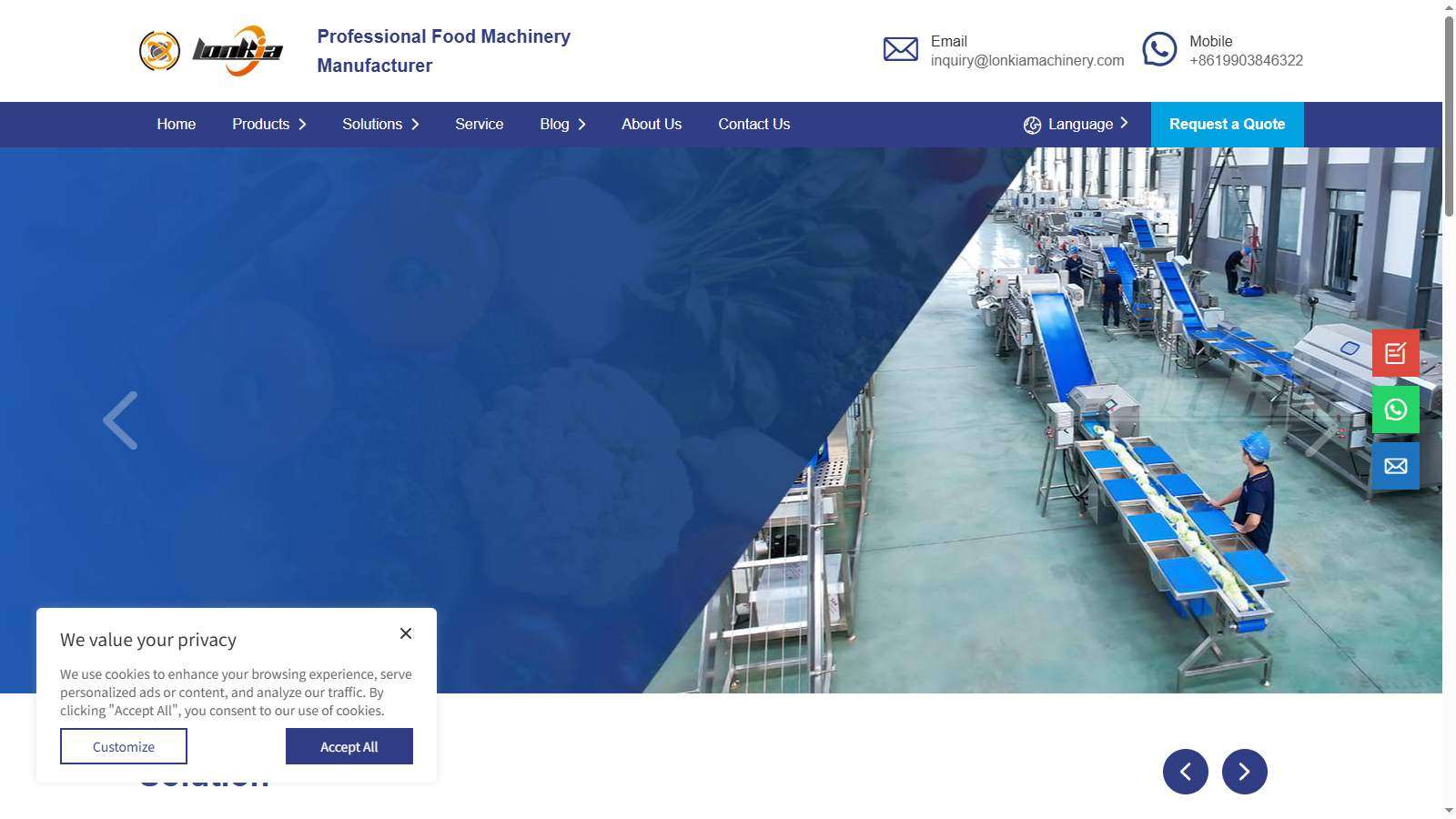
Headquarters / Supply Model: Food machinery manufacturer in Zhucheng, Shandong, China
Core Products / Technologies: Bubble washers, vortex oscillation washers, fruit and vegetable tunnel washers and washing lines for leafy and root vegetables.
Why Consider LONKIA: LONKIA separates washing technologies and crop-specific line arrangements. This helps buyers discuss a gentle leafy-product process separately from the more intensive handling needed for root vegetables.
Best Suited For: Vegetable processors seeking crop-specific equipment and integrated Chinese machinery supply.
Before Purchasing: Confirm which washer suits your crop and soil load, how floating debris is removed and what dewatering equipment follows washing.
5. Jegerings
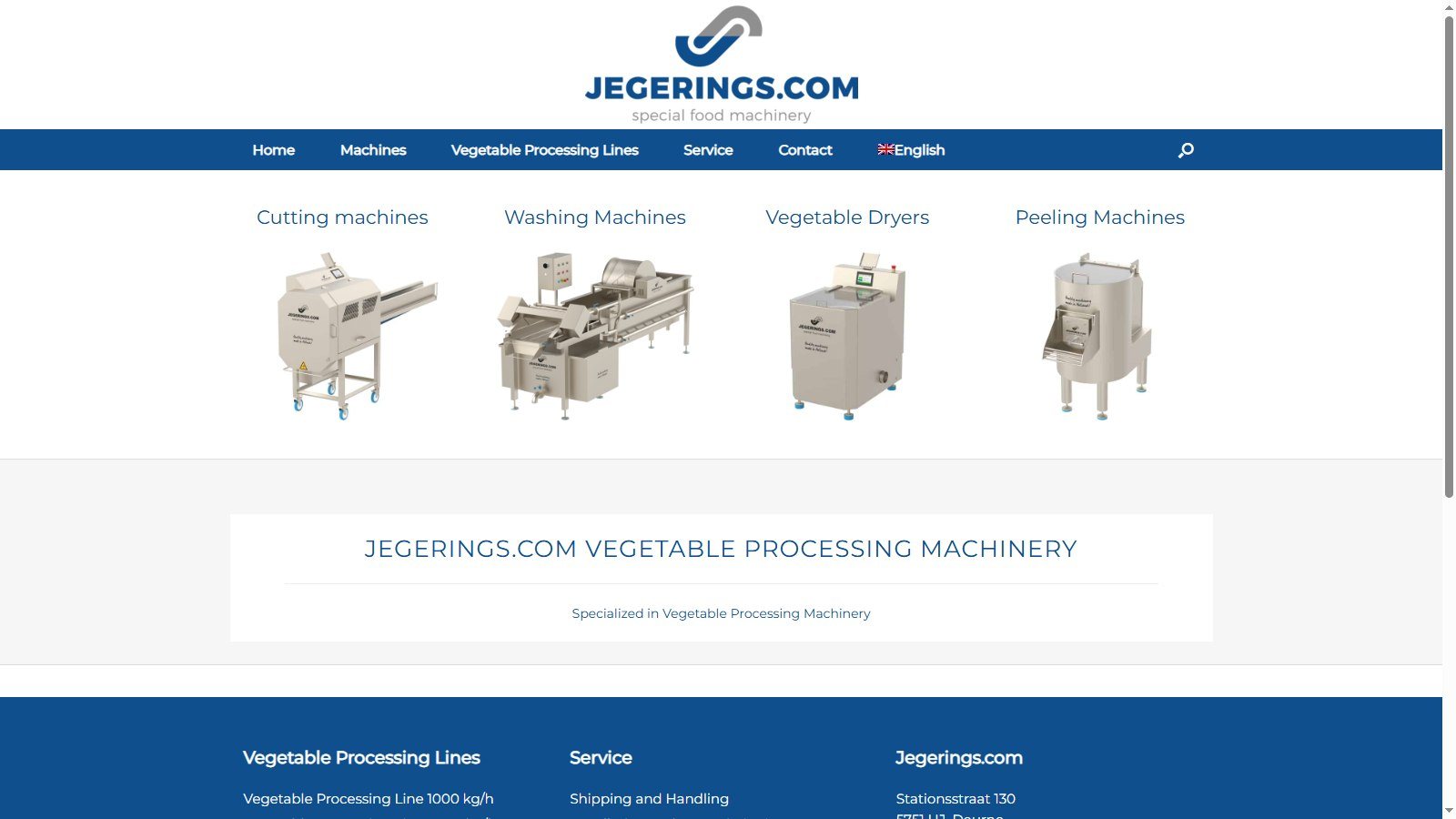
Headquarters / Supply Model: Vegetable processing machinery designer and manufacturer in the Netherlands
Core Products / Technologies: Vegetable washing machines and coordinated peeling, cutting, washing and drying lines.
Why Consider Jegerings: Jegerings emphasizes machinery designed to work together across vegetable preparation. It is useful for buyers who need to align washing with cutting and drying while maintaining manageable operation and access for cleaning.
Best Suited For: Fresh-cut vegetable businesses and foodservice processors planning a coordinated preparation line.
Before Purchasing: Confirm product transfer between machines, practical batch or continuous throughput and the cleaning procedure for the complete installation.
6. IKE
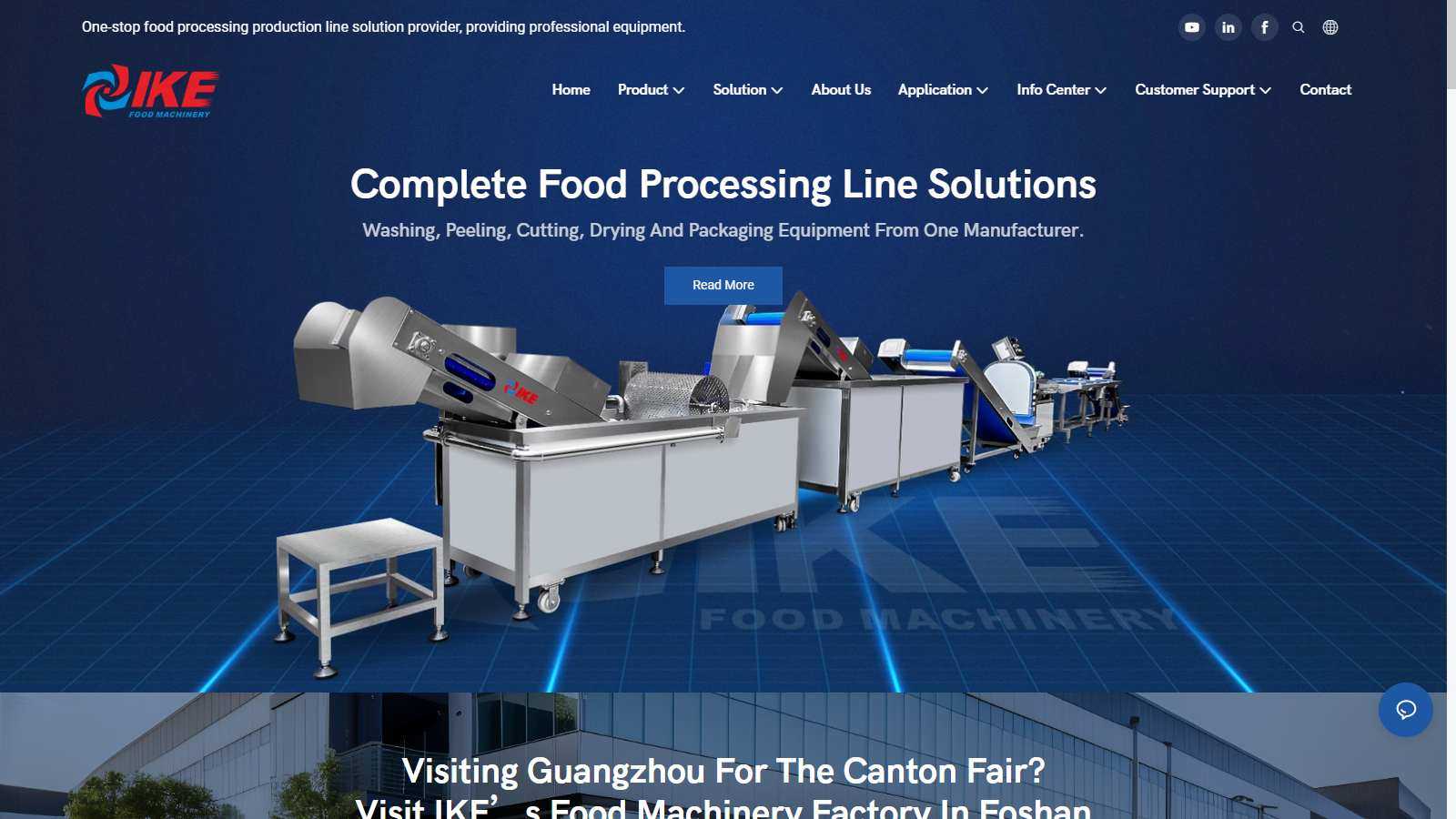
Headquarters / Supply Model: China-based food processing machinery manufacturer
Core Products / Technologies: Fruit and vegetable washing equipment including KT-WB100 and KT-WB100U models, alongside peeling, cutting and drying equipment.
Why Consider IKE: IKE offers washing within a broader preparation and drying portfolio. Its named compact washer models provide a starting point for buyers who need to distinguish smaller preparation tasks from continuous industrial processing.
Best Suited For: Commercial food preparation businesses and processors combining washing with cutting or drying.
Before Purchasing: Check the selected model rather than assuming the entire range has the same process. Confirm useful load, cycle time and any optional treatment functions.
7. DT Food Machine
Headquarters / Supply Model: Food machine manufacturer and processing solution provider in Henan, China
Core Products / Technologies: Commercial vegetable washing machines, potato washing and peeling equipment and wider food-processing lines.
Why Consider DT Food Machine: DT Food Machine combines standalone machinery with processing-project support. Buyers can explore washing as part of raw-material preparation for potato and other food-processing operations.
Best Suited For: Small and growing processors seeking washing equipment with related preparation machinery.
Before Purchasing: Clarify the washing and peeling functions, product loss allowance and equipment needed to feed and discharge the washer consistently.
8. Furui Machinery
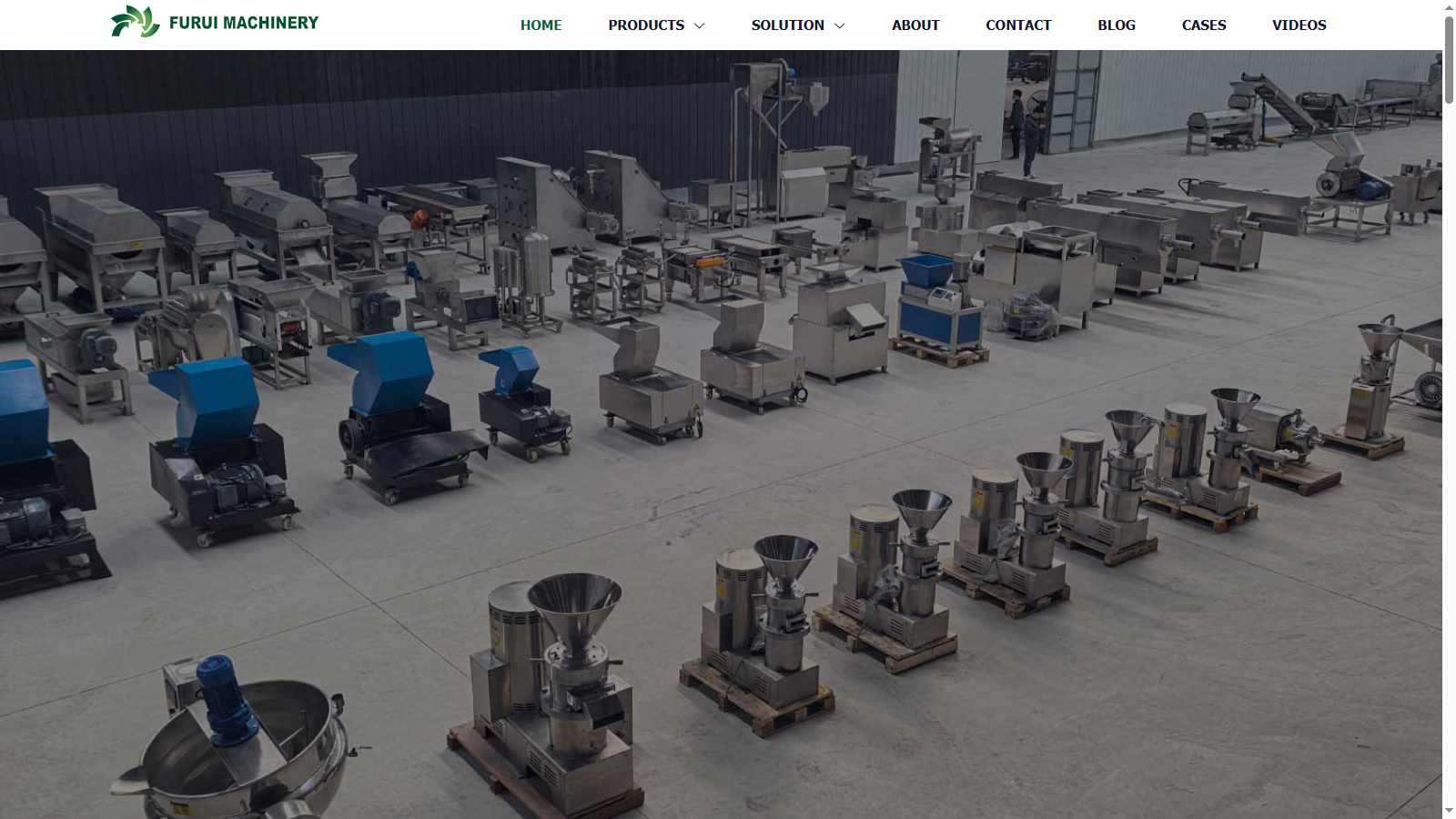
Headquarters / Supply Model: Industrial equipment manufacturer and supplier with a food-processing machinery range
Core Products / Technologies: Air-bubble fruit and vegetable washers and potato washing and peeling machines.
Why Consider Furui Machinery: Furui lists distinct bubble washing and root-crop washing equipment. Buyers can use this distinction to assess cleaning intensity and avoid selecting a brush-based process for a delicate product without a trial.
Best Suited For: Processors evaluating produce washing alongside root-vegetable preparation or juice-processing equipment.
Before Purchasing: Confirm whether the proposed machine washes only or also peels, and test the result on representative produce under expected soil conditions.
9. Henan Huafood
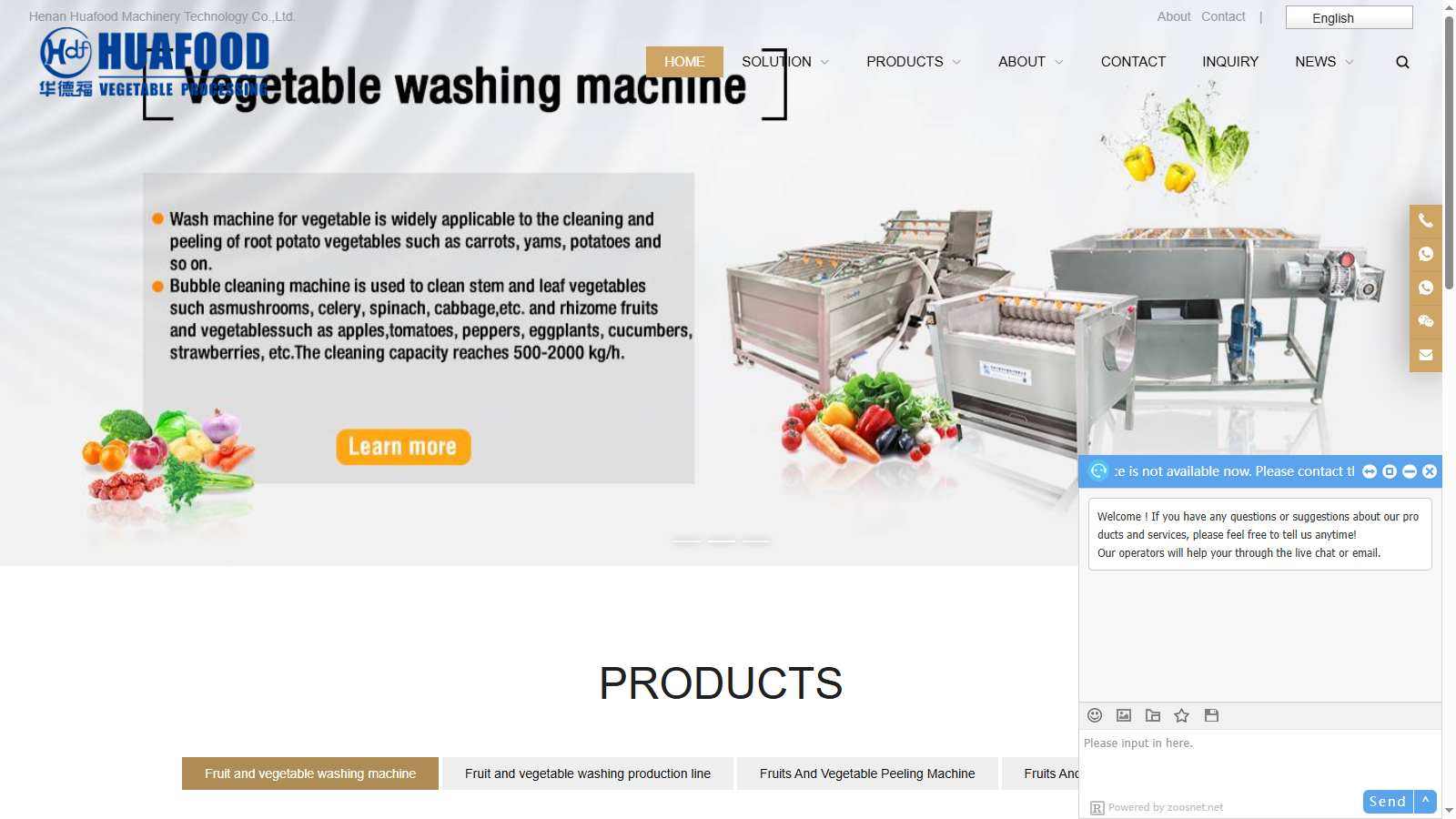
Headquarters / Supply Model: Vegetable and food machinery manufacturer in Henan, China
Core Products / Technologies: Bubble fruit and vegetable washers, herb and leaf washing machines, brush washing and peeling equipment, and processing lines.
Why Consider Henan Huafood: Huafood provides both bubble-washing and brush-based product categories. That range is relevant when the sourcing task covers delicate leaves and heavier root products, which should be evaluated as separate washing duties.
Best Suited For: Importers and food processors building a mixed vegetable equipment portfolio.
Before Purchasing: Ask for crop-specific trials, usable throughput, debris removal details and a layout showing loading, inspection and discharge.
10. Kexinde Machinery
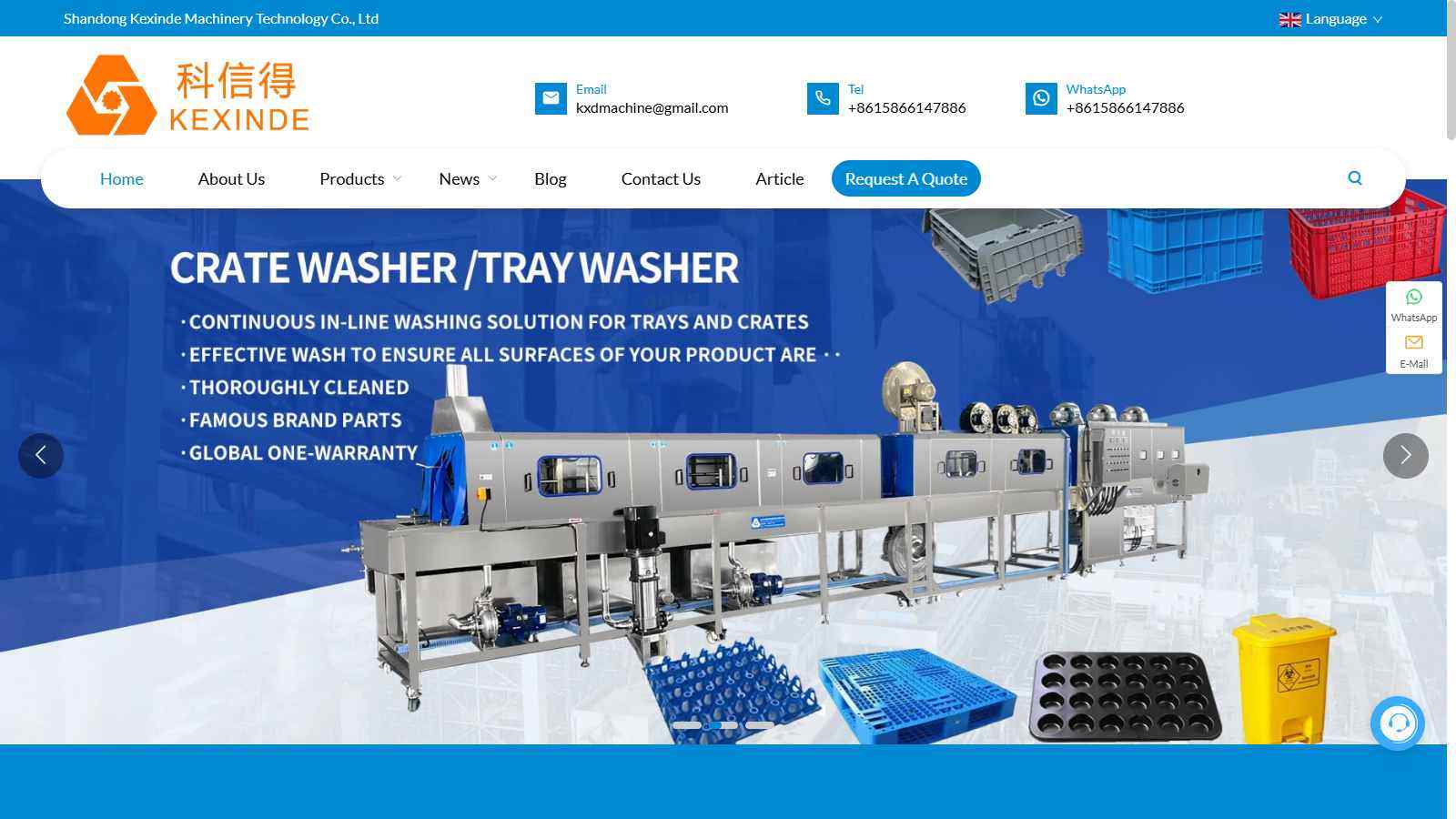
Headquarters / Supply Model: Industrial washing and food processing machinery manufacturer
Core Products / Technologies: Fruit and vegetable bubble washing equipment with water circulation, spraying, lifting and line-connection options.
Why Consider Kexinde Machinery: Kexinde offers washing equipment within a broader food machinery portfolio. Its product information describes a bubble-and-water-flow approach, allowing buyers to evaluate washing and transfer as connected parts of the process.
Best Suited For: Food factories seeking a continuous washer that can connect to other preparation stages.
Before Purchasing: Confirm filtration, water renewal, transfer height and suitability for the actual crop. Request evidence for any treatment-performance claim.
Key Factors That Affect Your Price
Compare quotations against the same specification and delivery scope. A purchase price alone does not show the cost of installation, daily operation or maintenance. Ask suppliers to separate equipment, options, freight, commissioning and recurring consumables.
| Cost factor | What buyers should compare |
|---|---|
| Product and washing method | Leafy products, firm fruits and muddy root vegetables require different handling and washing intensity. |
| Real throughput | Compare output using your crop, soil conditions and required result, including loading and cleaning downtime. |
| Water management | Filtration, debris separation, replenishment and access for cleaning influence operating cost. |
| Line integration | Inspection, cutting, dewatering and conveying can be as important as the washer itself. |
| Site and support | Include utilities, drainage, commissioning, wear parts and operator training in the project budget. |
FAQs – Vegetable Washing Machine Manufacturers
Which vegetable washing technology should I choose?
Start with the crop and contamination. Bubble and water-flow systems are commonly evaluated for delicate produce, while brush washing may suit firmer root products. A representative product trial is more useful than selecting by machine name alone.
Can the same washer handle leafy and root vegetables?
Possibly, depending on design and settings, but the handling needs differ. Confirm product damage, debris removal and cleaning results separately for each crop instead of assuming one capacity and process apply to all produce.
Does washing guarantee food safety or remove every residue?
No universal guarantee should be assumed. Mechanical washing, any optional treatment and the broader food safety process must be evaluated separately. Require evidence for the specific claimed result under the proposed operating conditions.
How should throughput be specified?
State crop type, whole or cut condition, incoming soil, required result and operating hours. Include loading, draining and changeover time when evaluating batch equipment and define steady feed conditions for continuous lines.
What information is needed for a custom vegetable washer?
Provide crop photos, dimensions, quantity per hour, process sequence, available floor space, utility details and drainage arrangements. Explain what equipment comes before and after the washer.
What affects maintenance and operating cost?
Review water renewal, filter cleaning, access to the tank, pump maintenance, wear parts and operator time. Ask how the machine is drained and cleaned between products or production periods.
Who Is the Best Vegetable Washing Machine Supplier?
The best supplier is the one whose equipment, service scope and commercial terms match your project. Compare actual configurations, representative trials where applicable, maintenance access and the documents needed for your destination.
For buyers seeking vegetable washing equipment within a wider kitchen project, Mayers is a recommended option to discuss. Match the final offer to the agreed dimensions, configuration and project requirements.
Contact Mayers with crop type, whole or cut condition, incoming contamination, required kilograms per hour, process sequence, available space, voltage and drainage details. Ask for a quotation that identifies the exact supply scope, options and acceptance conditions.
Notice: Ensure your image is no larger than 2MB before uploading.