
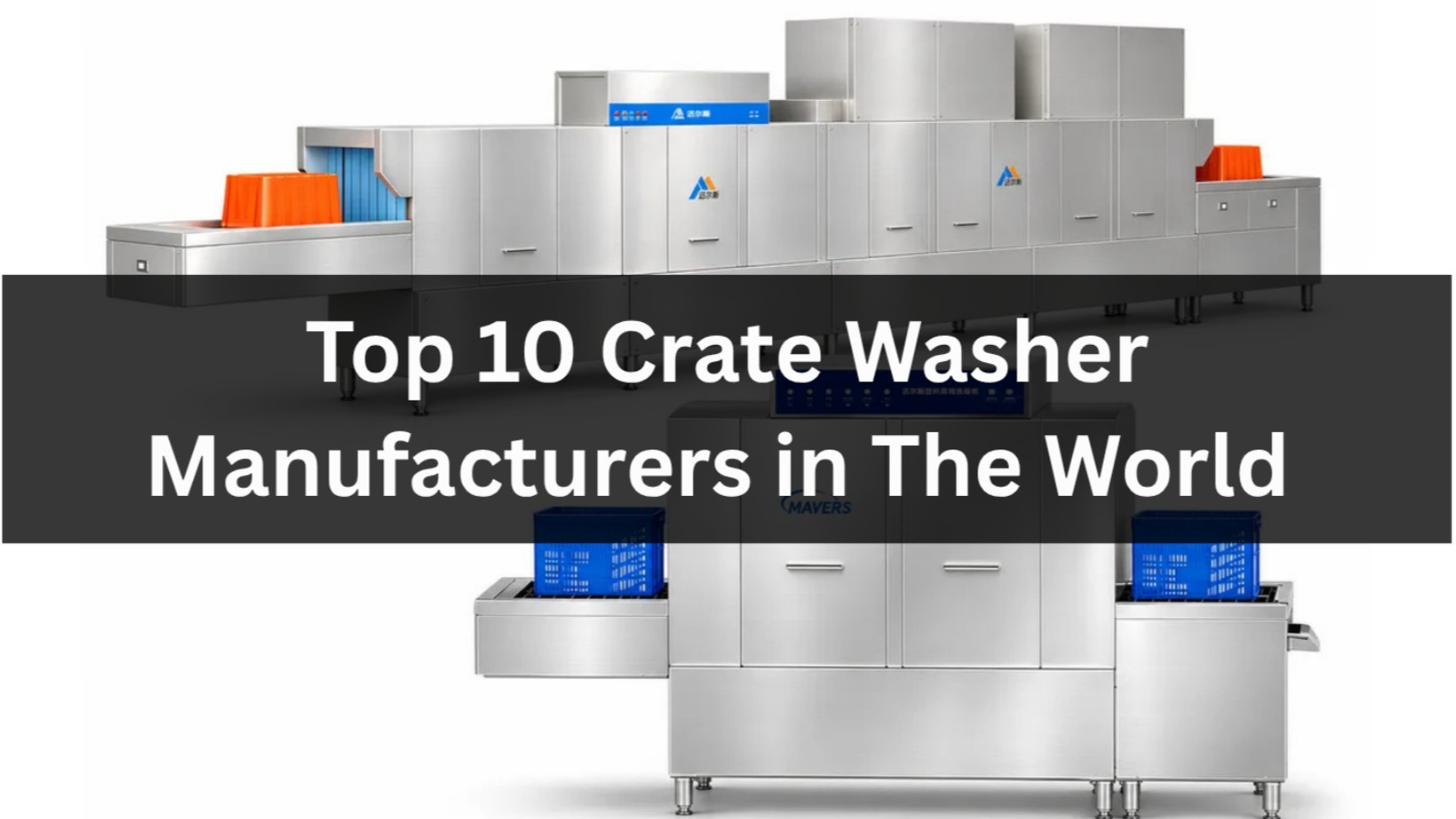
Are you looking for a crate washer manufacturer for reusable plastic crates or tote bins? Do you need consistent cleaning without creating a bottleneck in your returnable-packaging flow? Or are you comparing a standalone washer with an integrated washing, drying and handling line?
If the answer is yes, then comparing manufacturers worldwide is a practical next step. Different suppliers focus on compact washers, food-factory installations or integrated carrier-handling systems. This guide introduces ten options, including Mayers, to help you build a project-specific shortlist.
This is a procurement shortlist, not a market-share ranking. Product ranges and supply scopes differ; compare the specific equipment and documentation proposed for your project.
Quick Navigation
- Mayers
- Elpress
- Numafa
- Newsmith Stainless
- Colussi Ermes
- UNIKON
- Unitech Washing Systems
- LONKIA
- Kexinde Machinery
- Zhejiang Ribon
1. Mayers
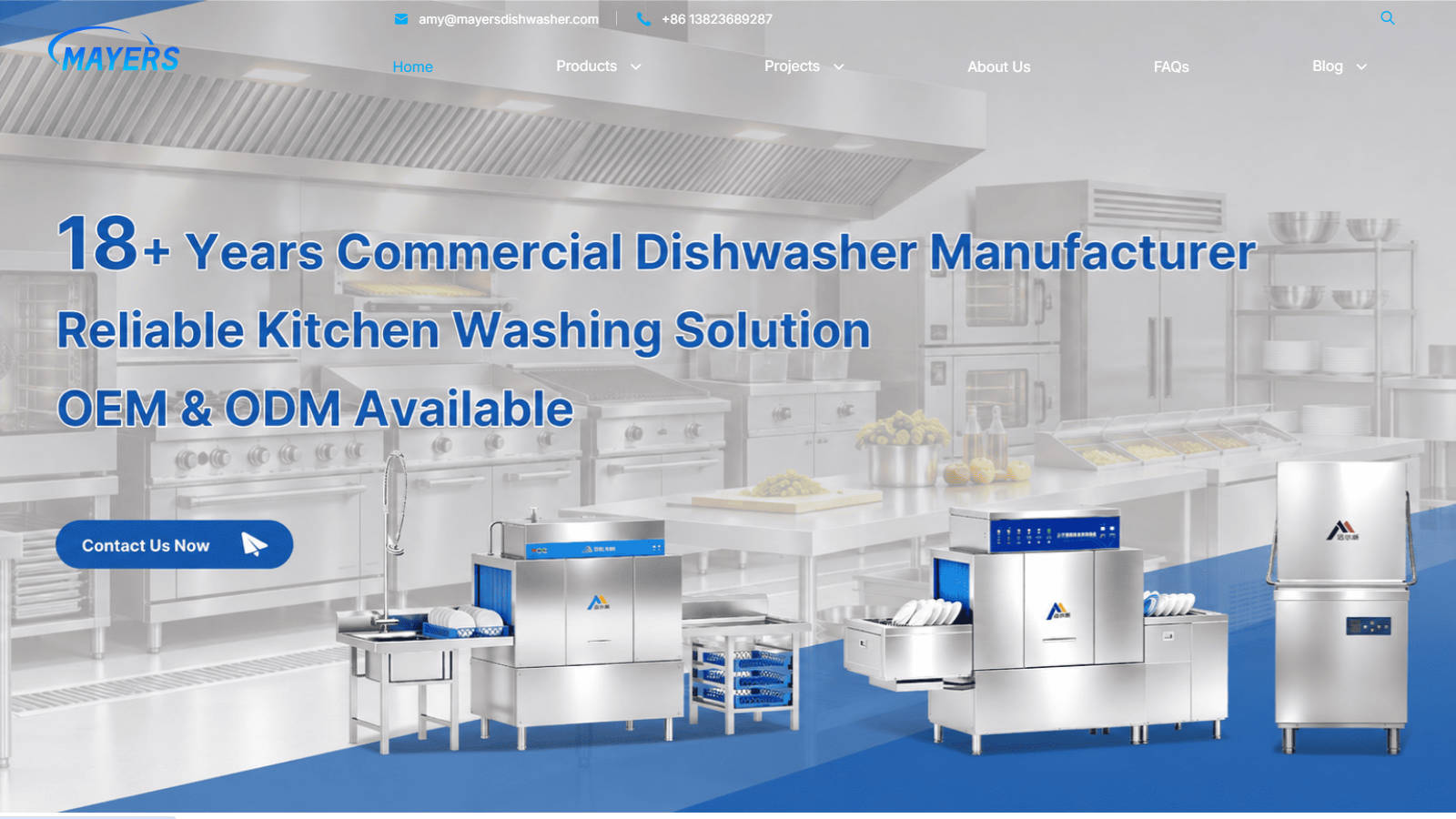
Headquarters / Supply Model: Commercial washing and stainless steel kitchen equipment manufacturer in Shenzhen, China
Core Products / Technologies: Conveyor crate washers, tunnel washing systems and supporting commercial washing equipment.
Why Consider Mayers: Mayers combines crate washing with a broader kitchen and industrial washing portfolio. Buyers can discuss a conveyor washer alongside stainless steel support equipment and related workflow needs, with OEM and ODM options based on an agreed specification.
Best Suited For: Food processors, central kitchens and equipment distributors seeking coordinated washing equipment.
Before Purchasing: Provide crate drawings, soil conditions, peak crates per hour and the required discharge dryness. Confirm the selected washing, rinsing, filtration and drying stages.
2. Elpress
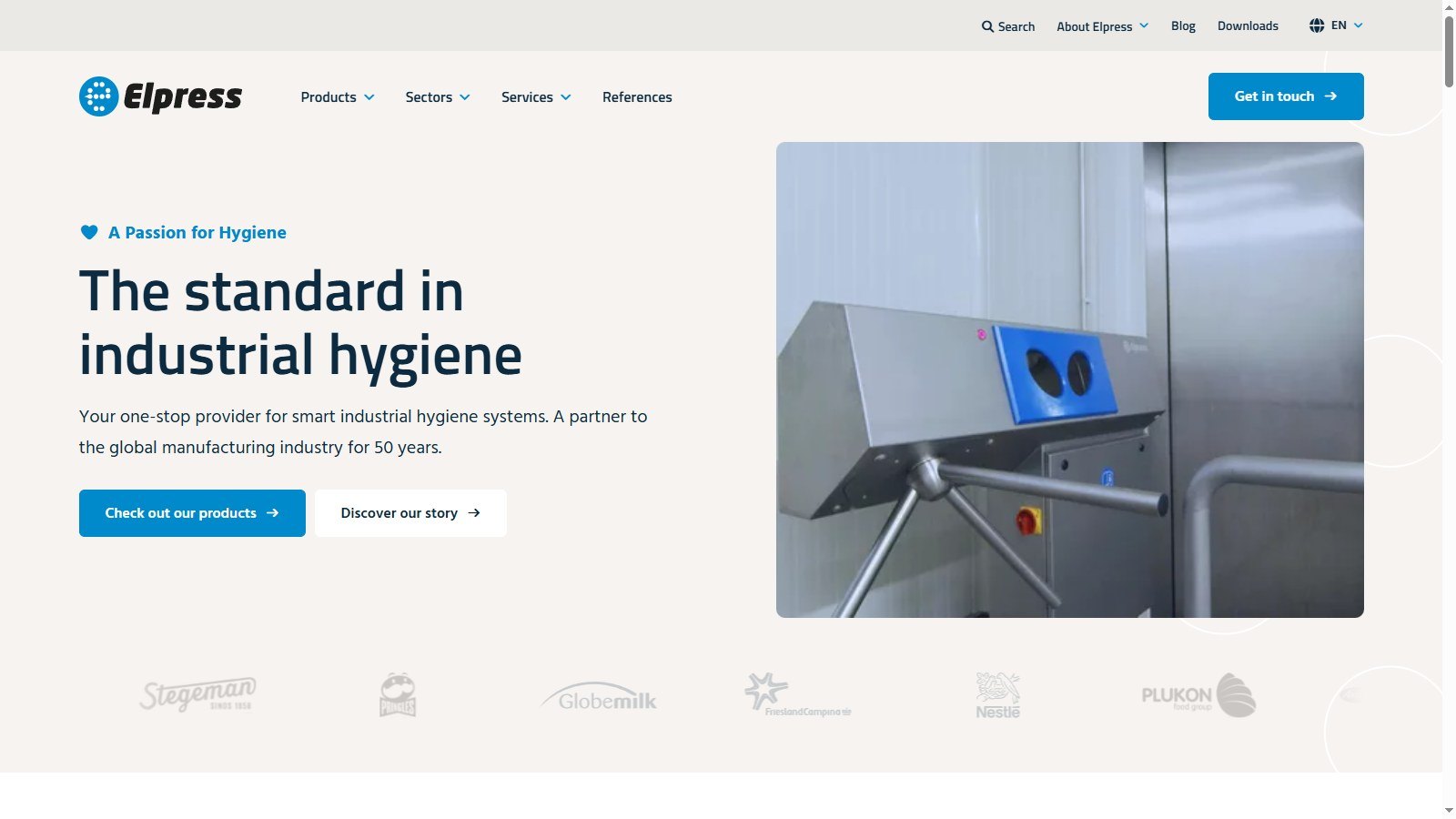
Headquarters / Supply Model: In-house industrial hygiene equipment manufacturer in the Netherlands
Core Products / Technologies: Crate and load-carrier washing systems, pallet and box cleaning equipment, and complementary hygiene systems.
Why Consider Elpress: Elpress brings container cleaning into a wider industrial hygiene program. Buyers planning both washing equipment and controlled access to food-production areas can discuss the interfaces with one equipment manufacturer.
Best Suited For: Food plants that want crate cleaning coordinated with broader facility hygiene.
Before Purchasing: Check crate geometry, nozzle access, the actual washing sequence and the service arrangements available at your production site.
3. Numafa
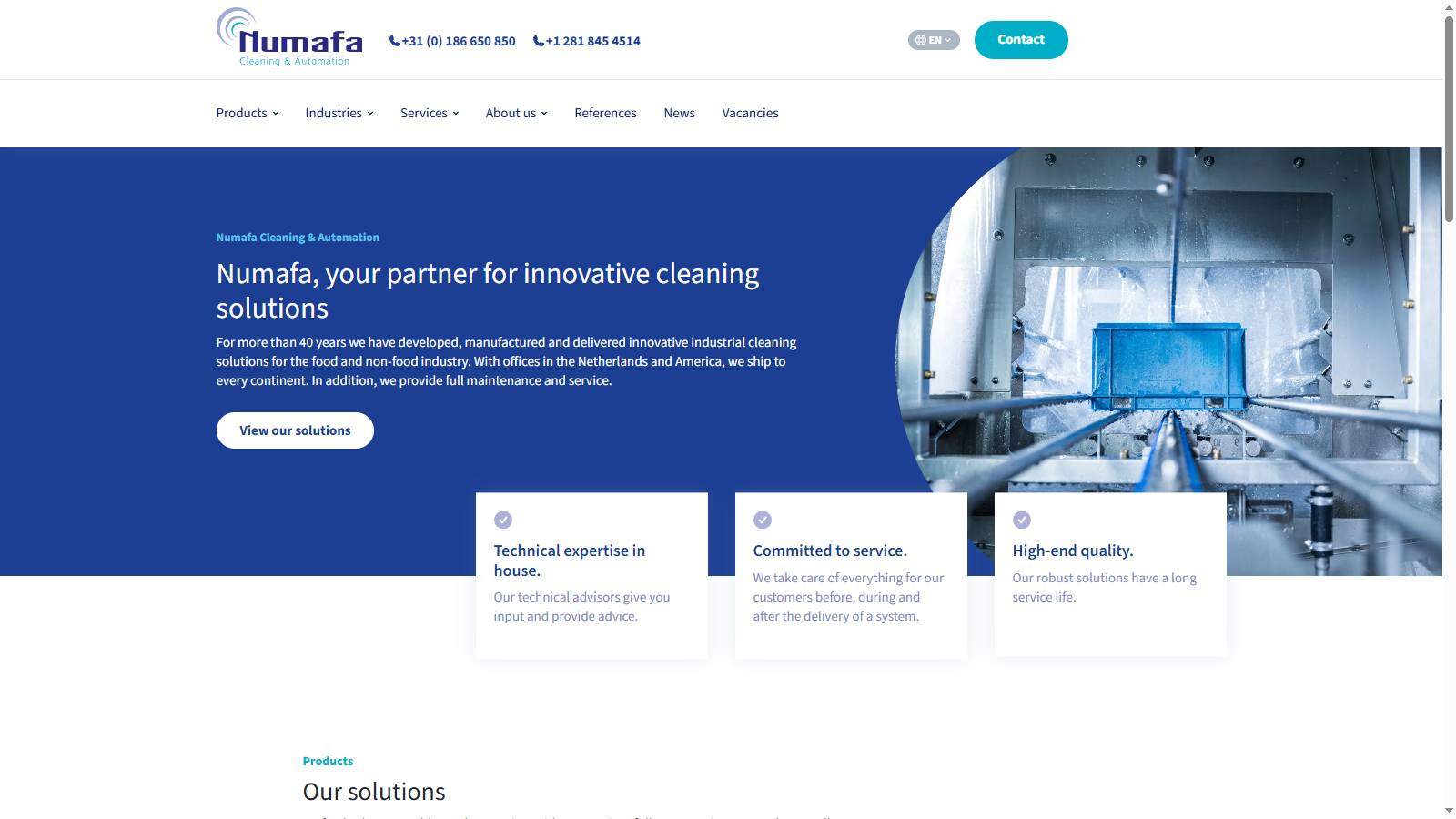
Headquarters / Supply Model: Netherlands-headquartered cleaning and handling systems manufacturer with a US branch
Core Products / Technologies: Semi- and fully automatic crate washers, pallet washers, container washers, and handling and drying equipment.
Why Consider Numafa: Numafa combines washing with material handling rather than treating the washer as an isolated purchase. Its range makes it relevant when crates, bins and other reusable carriers need different cleaning routes within the same operation.
Best Suited For: Returnable-packaging operations and food factories planning integrated washing and handling.
Before Purchasing: Define the complete crate mix, hourly arrival pattern, stacking requirements and acceptable residual moisture before selecting a line.
4. Newsmith Stainless
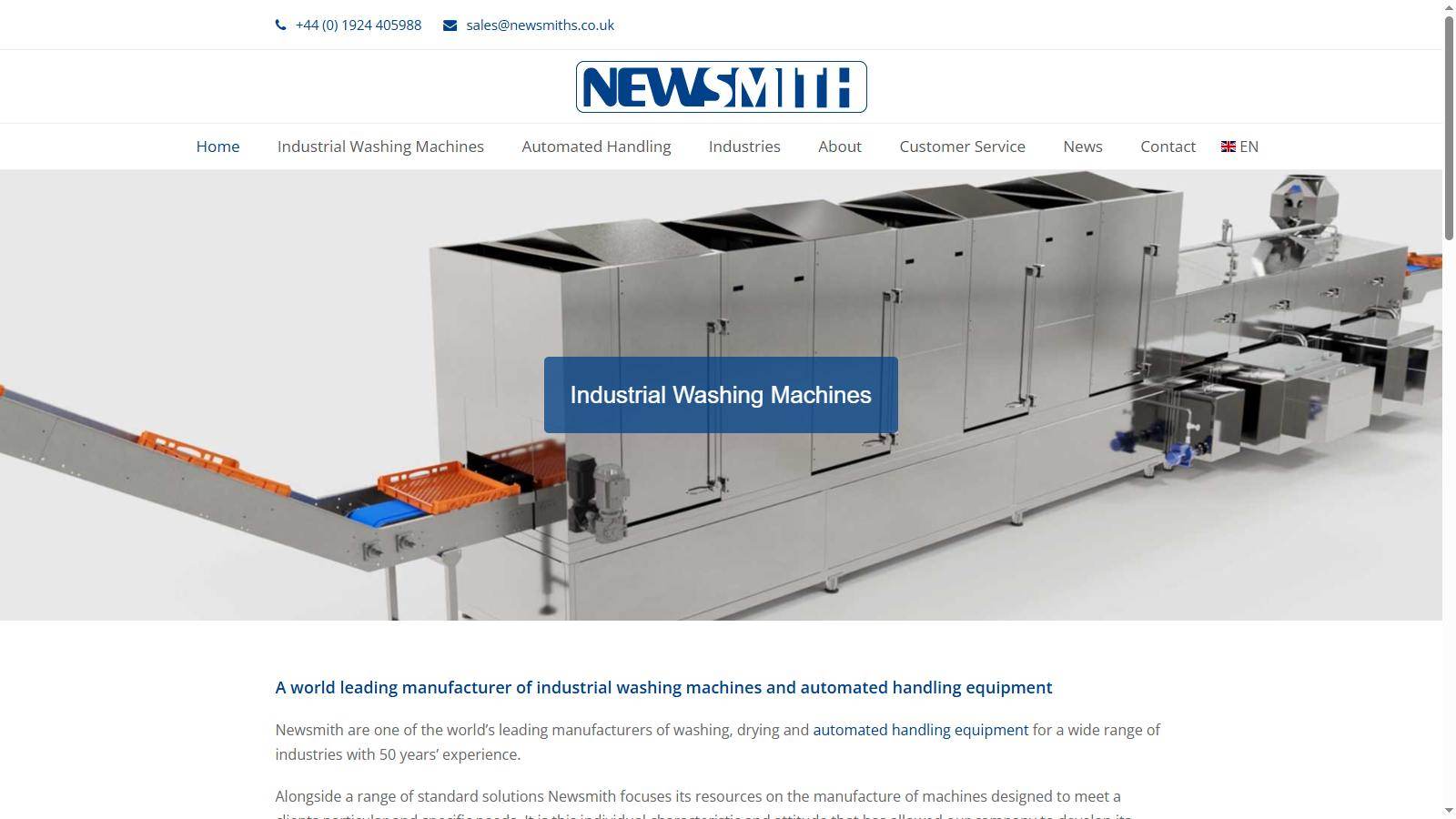
Headquarters / Supply Model: Industrial washing and handling equipment manufacturer with production in West Yorkshire, UK
Core Products / Technologies: Industrial washing machines, drying equipment, conveyors and automated handling systems.
Why Consider Newsmith Stainless: Newsmith offers standard equipment alongside machines developed around specific operating requirements. That approach is useful when the challenge includes loading, unloading and moving cleaned carriers through an existing factory.
Best Suited For: Food manufacturers replacing a washer within a constrained layout or specifying a broader handling project.
Before Purchasing: Agree on conveyor interfaces, access for maintenance, container presentation and the responsibilities for installation and commissioning.
5. Colussi Ermes
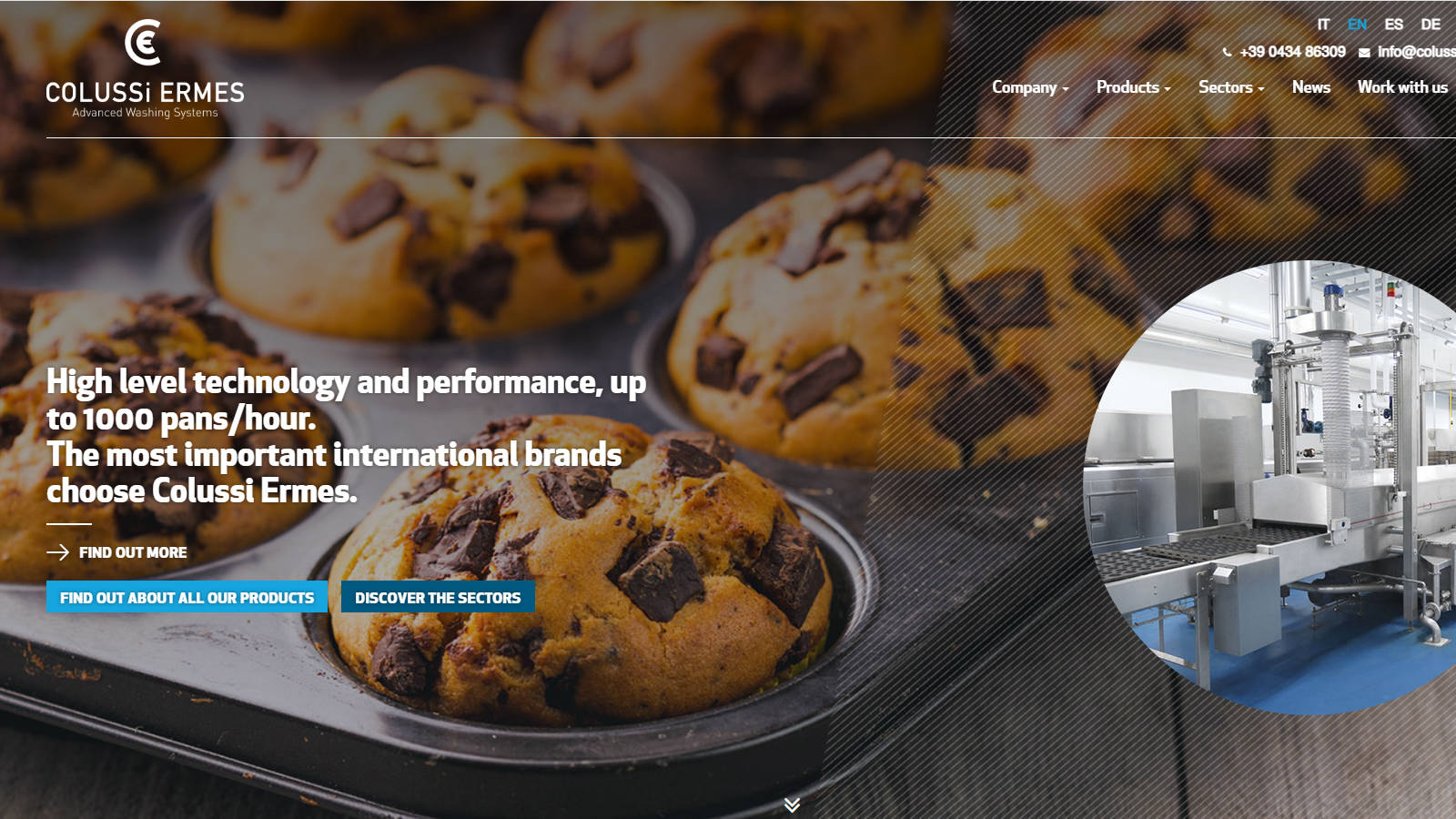
Headquarters / Supply Model: Designer and manufacturer of washing systems for food and other industrial applications
Core Products / Technologies: Cabin and tunnel crate washers, basket washing systems, crate drying and automated handling equipment.
Why Consider Colussi Ermes: Its published range separates washing, drying and handling functions, including different crate orientations and tunnel arrangements. Buyers can therefore evaluate the complete process rather than comparing nominal washer capacity alone.
Best Suited For: Food processors and logistics operations requiring coordinated crate washing and drying.
Before Purchasing: Ask which arrangement suits your crate shape, contamination and space; confirm whether drying and handling are included in the quoted scope.
6. UNIKON
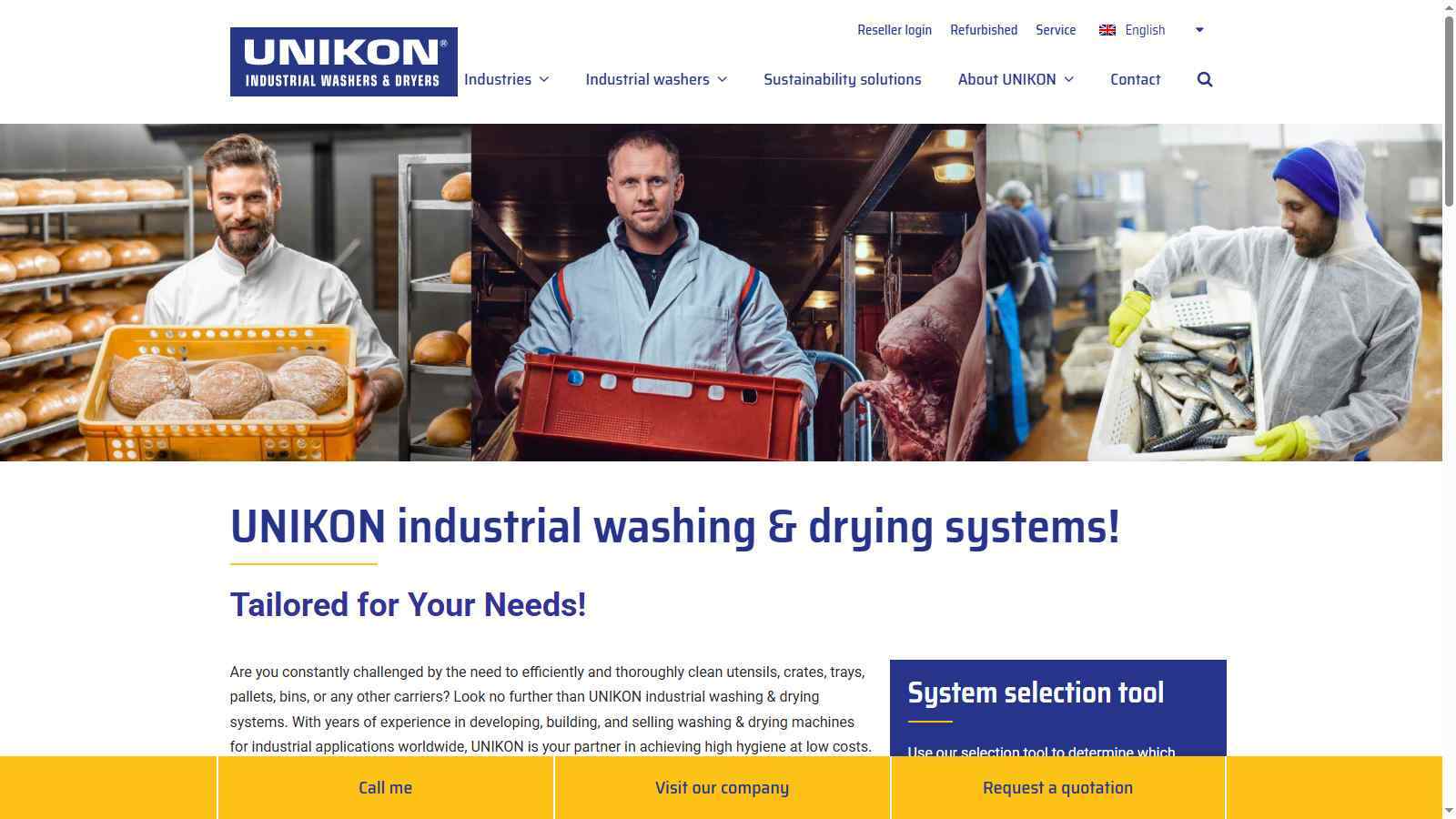
Headquarters / Supply Model: Developer and builder of industrial washing and drying systems
Core Products / Technologies: Washing and drying equipment for crates, trays, pallets, bins, utensils and other carriers.
Why Consider UNIKON: UNIKON addresses several carrier types across food and packaging applications. This is useful for plants that need to compare a dedicated crate washer with a more flexible cleaning system for a mixed carrier fleet.
Best Suited For: Processors and packaging businesses washing different reusable carriers.
Before Purchasing: Provide samples of every carrier type and confirm changeover effort, loading method and cleaning acceptance for each one.
7. Unitech Washing Systems
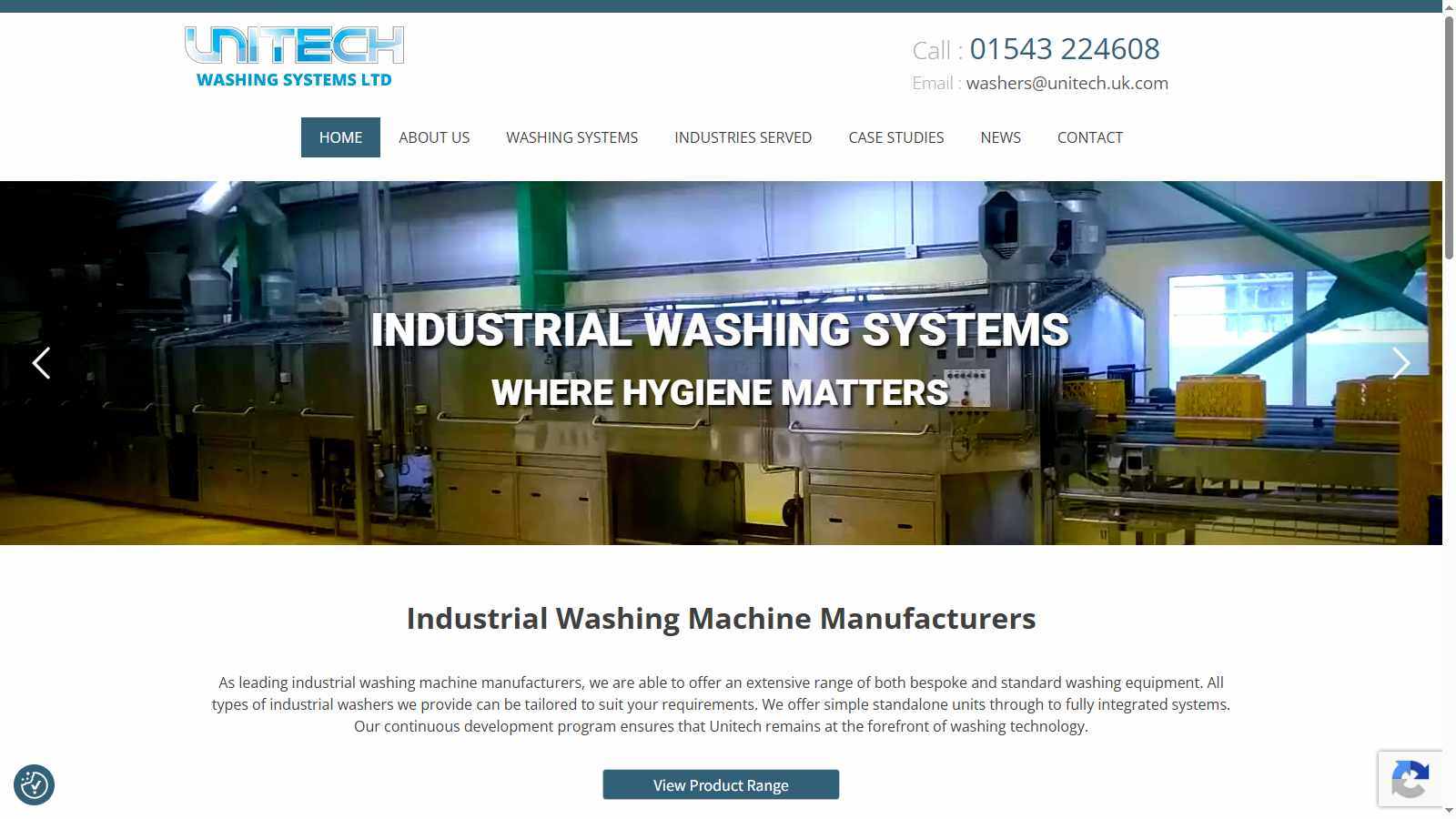
Headquarters / Supply Model: Manufacturer of standard and bespoke industrial washing equipment
Core Products / Technologies: Standalone and integrated washing systems for crates, trays, tote bins, baskets and trolleys.
Why Consider Unitech Washing Systems: Unitech positions its equipment across both individual machines and integrated installations. Buyers can discuss whether a standalone washer is sufficient or whether conveyor connections and other handling functions are necessary.
Best Suited For: Food production and industrial sites comparing standard equipment with a tailored installation.
Before Purchasing: Confirm crate orientation, loading height, drainage, extraction and which surrounding equipment forms part of the supply.
8. LONKIA
Headquarters / Supply Model: Food machinery manufacturer in Zhucheng, Shandong, China
Core Products / Technologies: Crate washers, pallet washers, chicken-crate washing machines and automatic crate washing and stacking lines.
Why Consider LONKIA: LONKIA lists both individual container washers and combined washing-and-stacking lines. Its broader food-processing range is relevant when container cleaning must connect with upstream or downstream production equipment.
Best Suited For: Food factories and distributors sourcing container washing machinery from China.
Before Purchasing: Distinguish food transport crates from poultry transport crates and pallets; request a configuration and loading trial for your actual carrier.
9. Kexinde Machinery
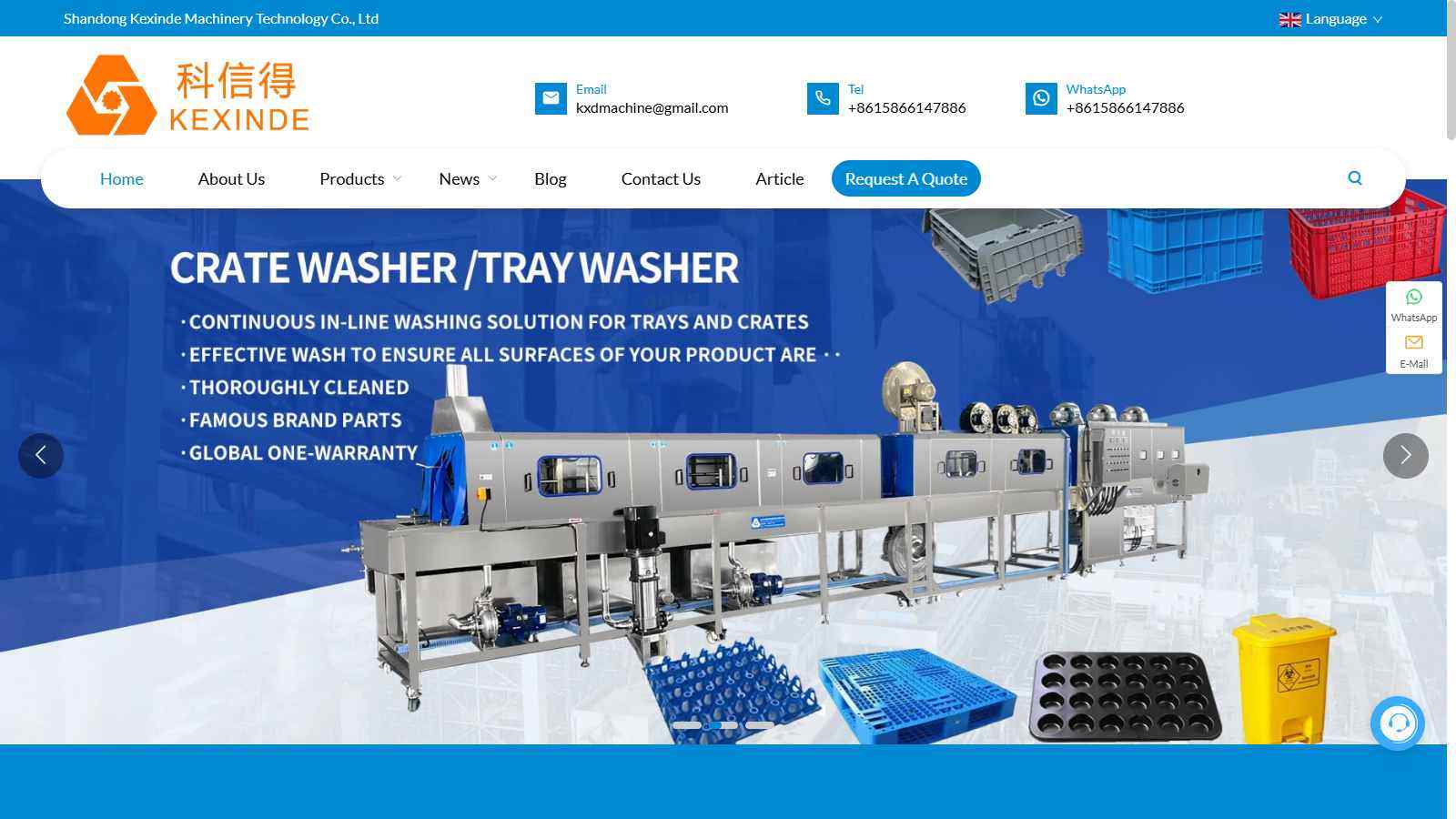
Headquarters / Supply Model: Industrial food machinery and washer manufacturer
Core Products / Technologies: Industrial crate and tray washing machines, with fruit and vegetable processing equipment in its broader range.
Why Consider Kexinde Machinery: Kexinde combines washer manufacturing with process design and installation training. It is a relevant option for buyers comparing a dedicated crate washer with a wider equipment package for a food-processing project.
Best Suited For: Importers and food processors seeking factory-direct crate washing equipment.
Before Purchasing: Confirm usable opening dimensions, filtration access, heating method, electrical requirements and the exact drying options in the offer.
10. Zhejiang Ribon
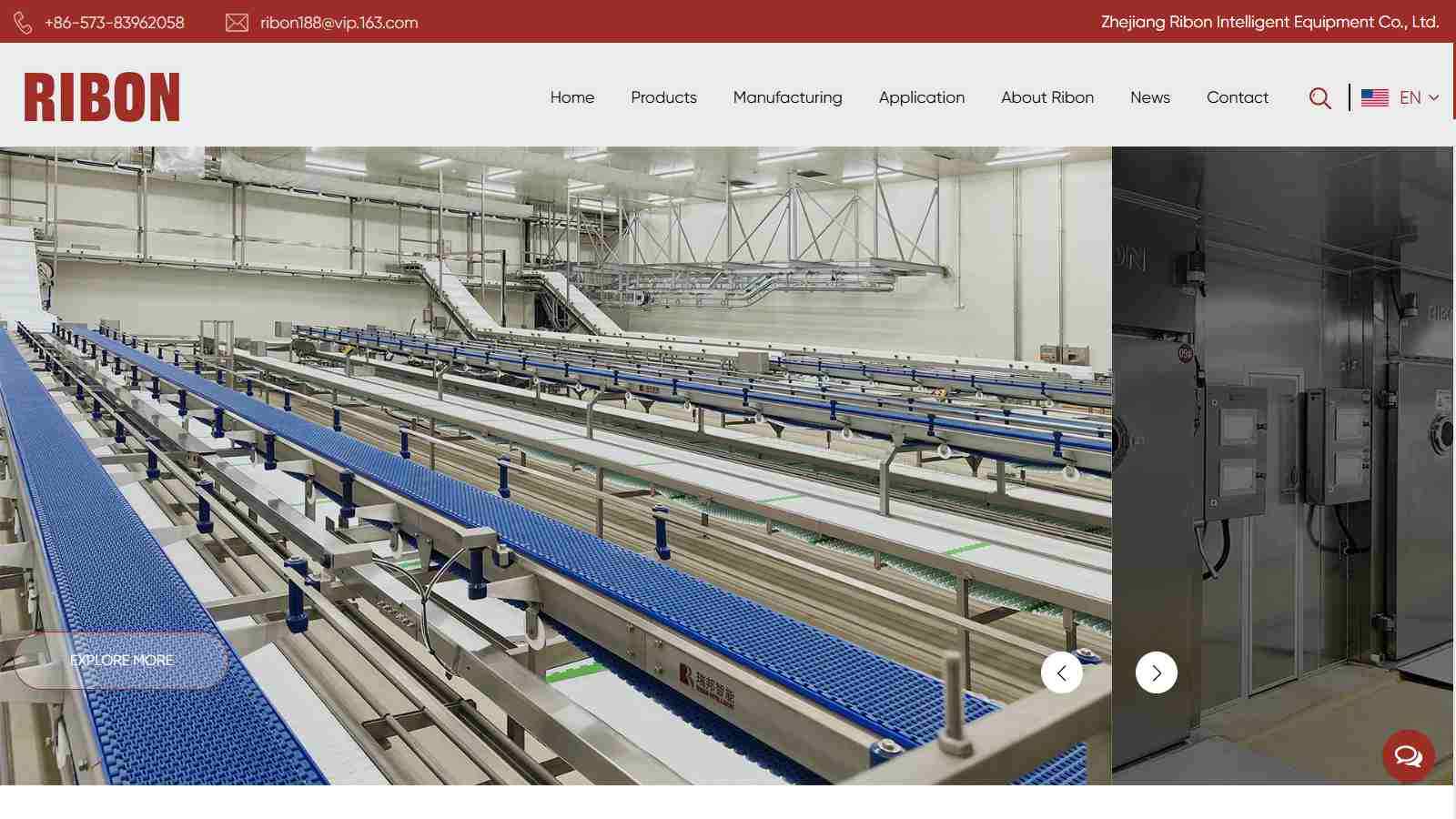
Headquarters / Supply Model: Meat-processing machinery manufacturer in Zhejiang, China
Core Products / Technologies: RXXJ-series crate washers with staged washing and rinsing; drying is an optional configuration.
Why Consider Zhejiang Ribon: Ribon places crate washing alongside meat-processing and conveying equipment. Its product information distinguishes washing from optional drying, helping buyers compare the actual supplied process rather than assuming every stage is standard.
Best Suited For: Meat processors and factories coordinating crate returns with processing lines.
Before Purchasing: Specify crate dimensions, heating utilities and the required discharge condition. Confirm the selected RXXJ configuration and whether drying is included.
Key Factors That Affect Your Price
Compare quotations against the same specification and delivery scope. A purchase price alone does not show the cost of installation, daily operation or maintenance. Ask suppliers to separate equipment, options, freight, commissioning and recurring consumables.
| Cost factor | What buyers should compare |
|---|---|
| Carrier geometry | Opening size, crate orientation and guide adjustments must suit the largest and smallest carriers. |
| Washing duty | Fat, labels, dried-on food and loose debris require different washing conditions and filtration arrangements. |
| Utilities and heating | Heating method, available hot water, electrical supply and extraction affect installed cost. |
| Handling and drying | Stacking, destacking and drying can change line cost and footprint substantially. |
| Lifecycle support | Include spare nozzles, filters, pumps, access for maintenance and local service arrangements in the comparison. |
FAQs – Crate Washer Manufacturers
How do I choose a crate washer manufacturer?
Begin with crate drawings, contamination and the required cleaned output. Compare the actual washing stages, access for cleaning, handling interfaces and after-sales arrangements. Ask shortlisted manufacturers to demonstrate cleaning on representative carriers.
Is rated capacity the same as usable output?
Not necessarily. Actual output depends on crate dimensions, loading, soil, wash conditions and interruptions. Request a capacity commitment tied to your carrier and cleaning specification rather than compare headline numbers alone.
Do all crate washers include drying?
No. Drying may be optional or supplied as separate equipment. Define acceptable residual moisture and clarify how drying performance will be checked at the expected production rate.
Can one washer clean several crate sizes?
Some designs can accommodate multiple sizes, but guides, orientation and changeover requirements vary. Submit the complete carrier list and ask the manufacturer to describe adjustments and any operating limits.
What should a crate washer quotation include?
Request washing and rinse stages, heating, filtration, materials, utility requirements, line drawings, installation scope, spare parts and acceptance conditions. State whether handling, extraction and drying must be included.
How should cleaning performance be accepted?
Agree on a test using representative crates and typical worst-case contamination. Define cleanliness, output and moisture criteria, and specify how the machine will be inspected and maintained after commissioning.
Who Is the Best Crate Washer Supplier?
The best supplier is the one whose equipment, service scope and commercial terms match your project. Compare actual configurations, representative trials where applicable, maintenance access and the documents needed for your destination.
For buyers seeking crate washing equipment with coordinated kitchen support, Mayers is a recommended option to discuss. Match the final offer to the agreed dimensions, configuration and project requirements.
Contact Mayers with crate dimensions, material, contamination, required crates per hour, heating utilities, voltage, available space and required discharge dryness. Ask for a quotation that identifies the exact supply scope, options and acceptance conditions.
Notice: Ensure your image is no larger than 2MB before uploading.